
1944
She is six.
A label on her case, a train out of London, and a farmhouse in Suffolk whose kitchen she can still describe to the inch.
Question 4 of the hundred
What did it smell like on a Sunday?
 1944 She is six
 1956 Eighteen
 1965 Twenty-seven
 1976 Thirty-eight
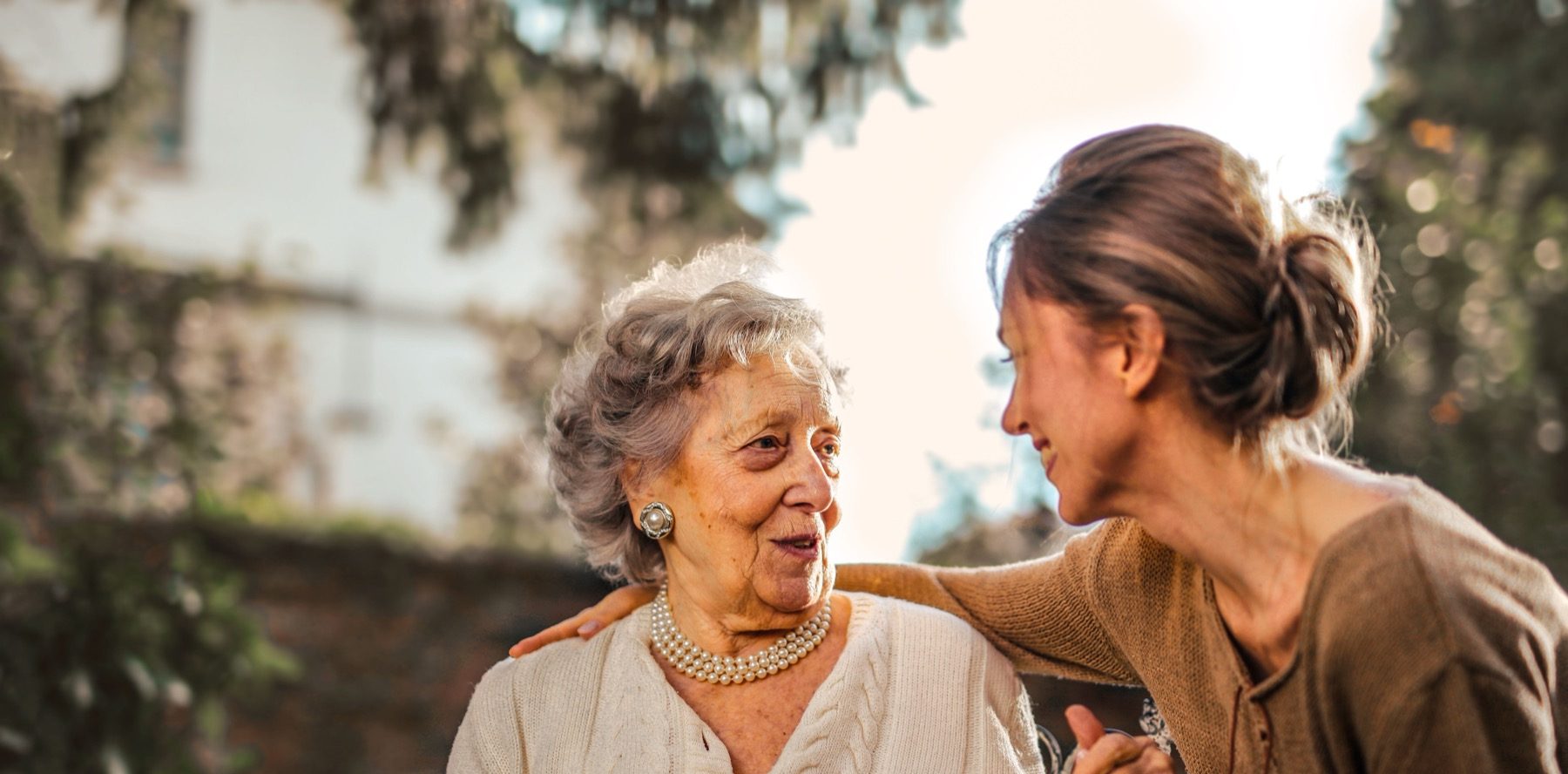 2026 Somebody finally asks
One illustrative life, drawn for this design, not a client. Tap a year to read its chapter.
Amanda Yaffe-Parker records relaxed conversations with somebody about the life they remember, and writes it into a life story the family keeps, in their own voice.
From £250. Nothing happens until you are sure.
Not family trees, and not ancestry research. One person's life, within living memory, told by the person who lived it.
“Nearly every person I speak to begins by telling me that there is nothing to tell. Not one of them has been right yet.”Amanda
One life, eighty years
Here is one life, decade by decade, each told the way that decade's photographs looked. Every chapter opens with a real question from Amanda's hundred: the ones that bring back what a photograph leaves out.
Illustrative life, a design demonstration, not a client
She is six.
A label on her case, a train out of London, and a farmhouse in Suffolk whose kitchen she can still describe to the inch.
Question 4 of the hundred
What did it smell like on a Sunday?
She is eighteen.
A works outing to Clacton: the pier, a hired deckchair, and the friend from the typing pool she would write to for sixty years.
Question 73 of the hundred
Where did you go on holiday, and how did you get there?
She is twenty-seven.
A terrace in Colchester, a red Mini that was mostly his pride, and a first baby asleep in the pram by the front door.
Question 49 of the hundred
What was the first home the two of you had?
She is thirty-eight.
The summer the lawn went brown. The children lived outside, and the new telephone in the front room rang for her mother every Sunday at six.
Question 80 of the hundred
What was the first telephone, television or washing machine you had?
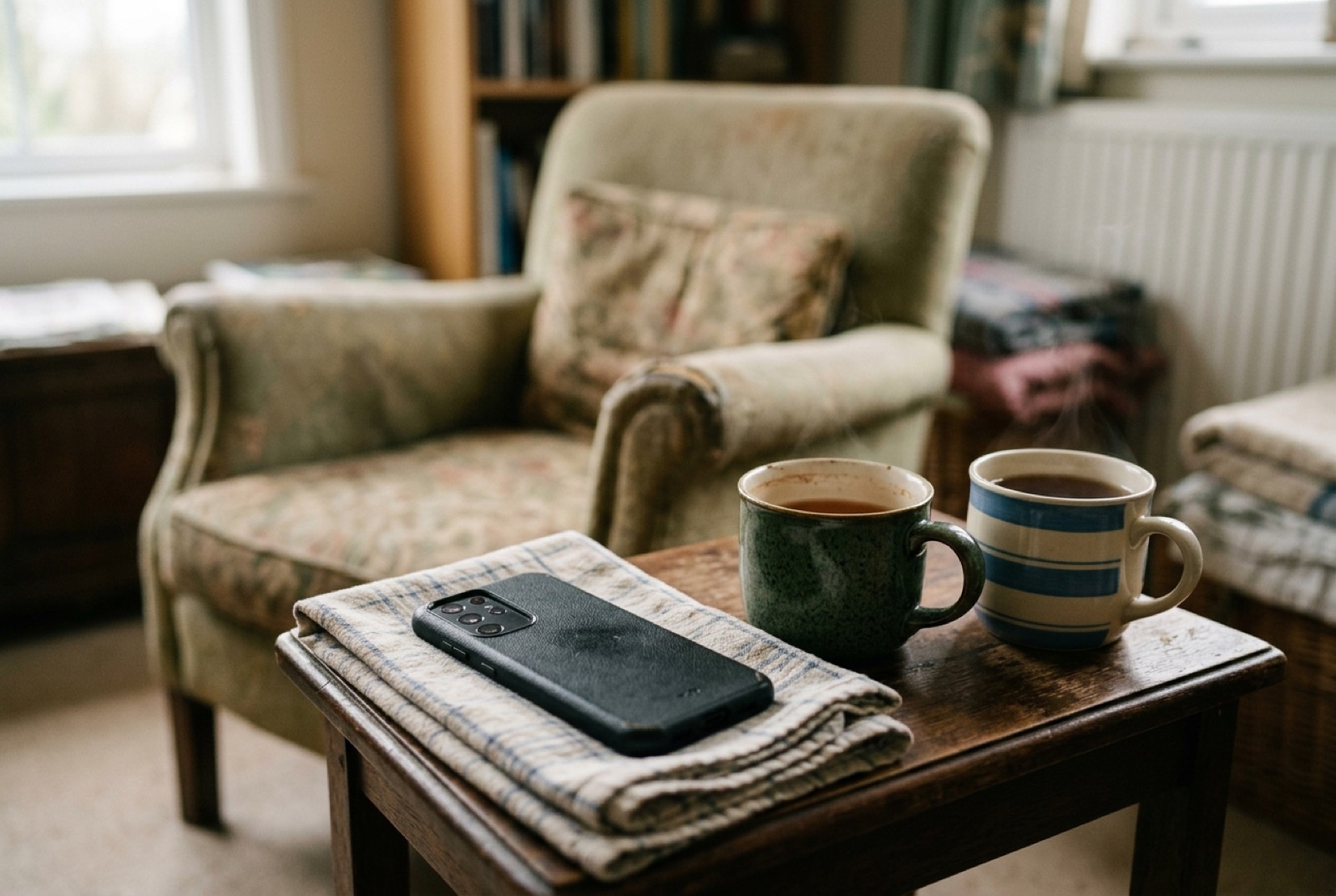
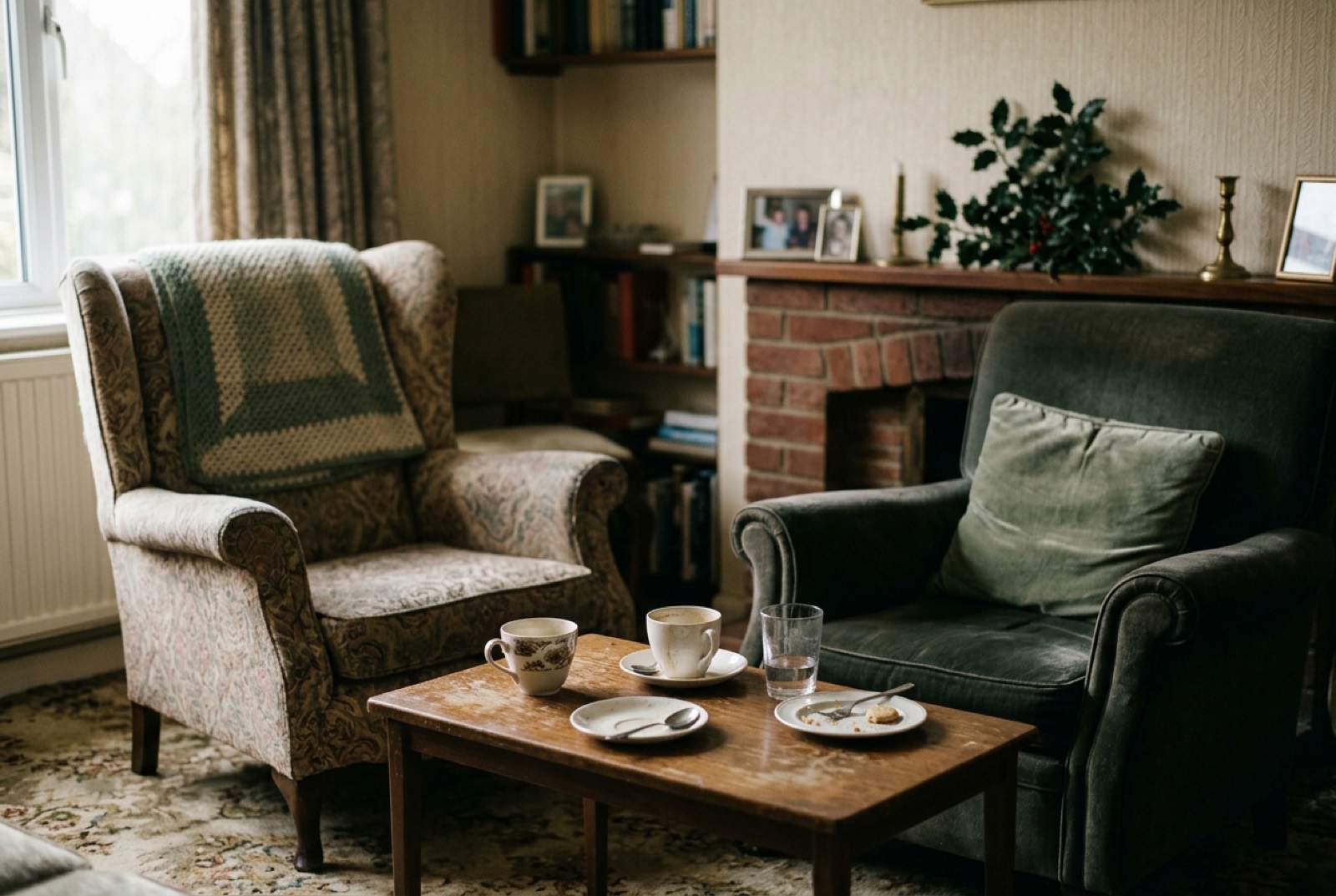
She is eighty-eight.
Amanda sits with her, the recorder on the table between them. She starts by saying there is nothing to tell. By the last conversation, the Sunday smell of that Suffolk kitchen is on the page, in her own words.
Question 94 of the hundred
Where did that photograph on the wall get taken, and who is in it?
The life above is invented to show the idea; it is not a client. The four scenes are drawn for this design, each finished like the photographs of its decade. The questions are real: read all hundred.
How it works
Amanda handles the whole process, gently, from the first phone call to the moment it is yours to keep. Three pictures, from the first conversation to the finished book.
Amanda spends time with you over a series of relaxed, recorded conversations, at their pace and in their own chair. Nothing has to be ready in advance, and the things that come back a week later go in too.
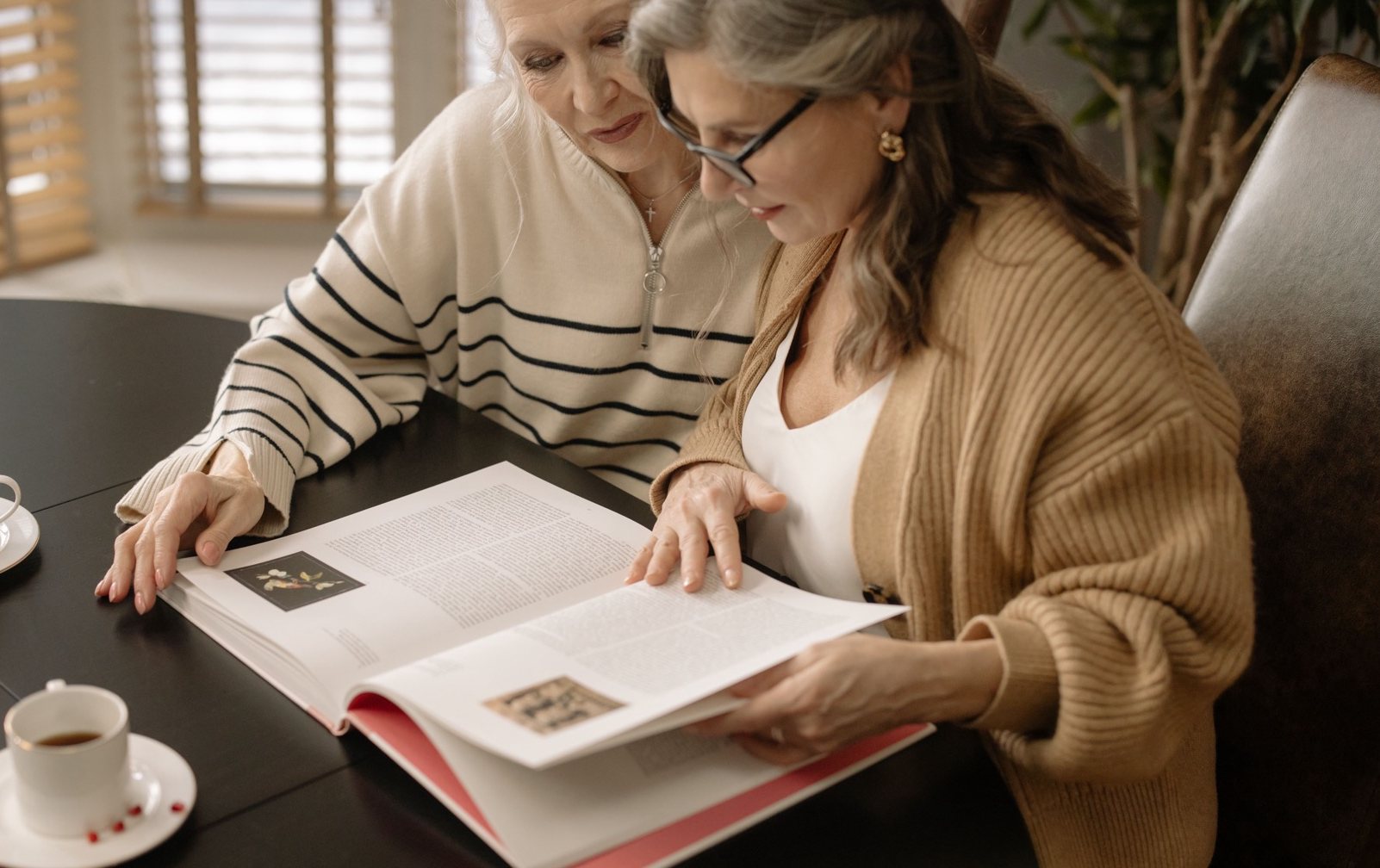
She shapes those conversations into a properly written life story, keeping the person's own voice throughout. You see a full draft first.
The finished story becomes exactly what you want to keep: a professionally produced hardback, the original recordings, or a digital copy.
Amanda also works from what a family already has: the recordings, photographs, letters and half-finished journals sitting in drawers. See how it works, in full
Which of these is you?
For an occasion already circled
A landmark birthday, an anniversary, a retirement after forty years, or a grandchild who has just arrived.
See gift optionsBecause something has changed
A parent growing more frail, a diagnosis that has shortened the timeline, or memory beginning to fade.
See what is possiblePiecing it together from what is left
For the story that was not written down in time, built from letters, photographs and the people who remember them.
See how this can still workYour own story. Want to tell your own story instead, in your own words? This is for you too.
Telling your own storyOr do it yourselves. The questions and guides are free, and they are the same ones Amanda uses.
Start with the questionsWhat you end up with
Not a printout in a ring binder. Something that sits on a shelf for fifty years and gets handed down.
What it reads like
I started on the factory floor at sixteen, sweeping metal shavings for four pounds a week, and thirty-eight years later they gave me a clock and a cup of tea in the same building. In between there was a wife, three children, a strike I still have opinions about, and more good men than bad ones. Nobody had ever asked me to say any of that out loud before, let alone write it down.
From a sample passage. Written to show the style. Not a real client.
Read all three passagesPricing
No hourly rates, and nothing added later. Nothing happens until you are sure.
£30
Not yet available
Answer a set of questions together, in your own time, then send the recording to Amanda. Decide about the write-up whenever you are ready.
From £250
Depends on the number of sessions, worked out together on a call
Amanda conducts every conversation herself, from the first call to the finished book, in their own voice.
On the call
Fully custom
For a project that needs something beyond the usual shape.
Giving it as a gift? What you give on the day is the voucher, and they decide afterwards. Gifts and occasions · See full pricing
The person who writes it
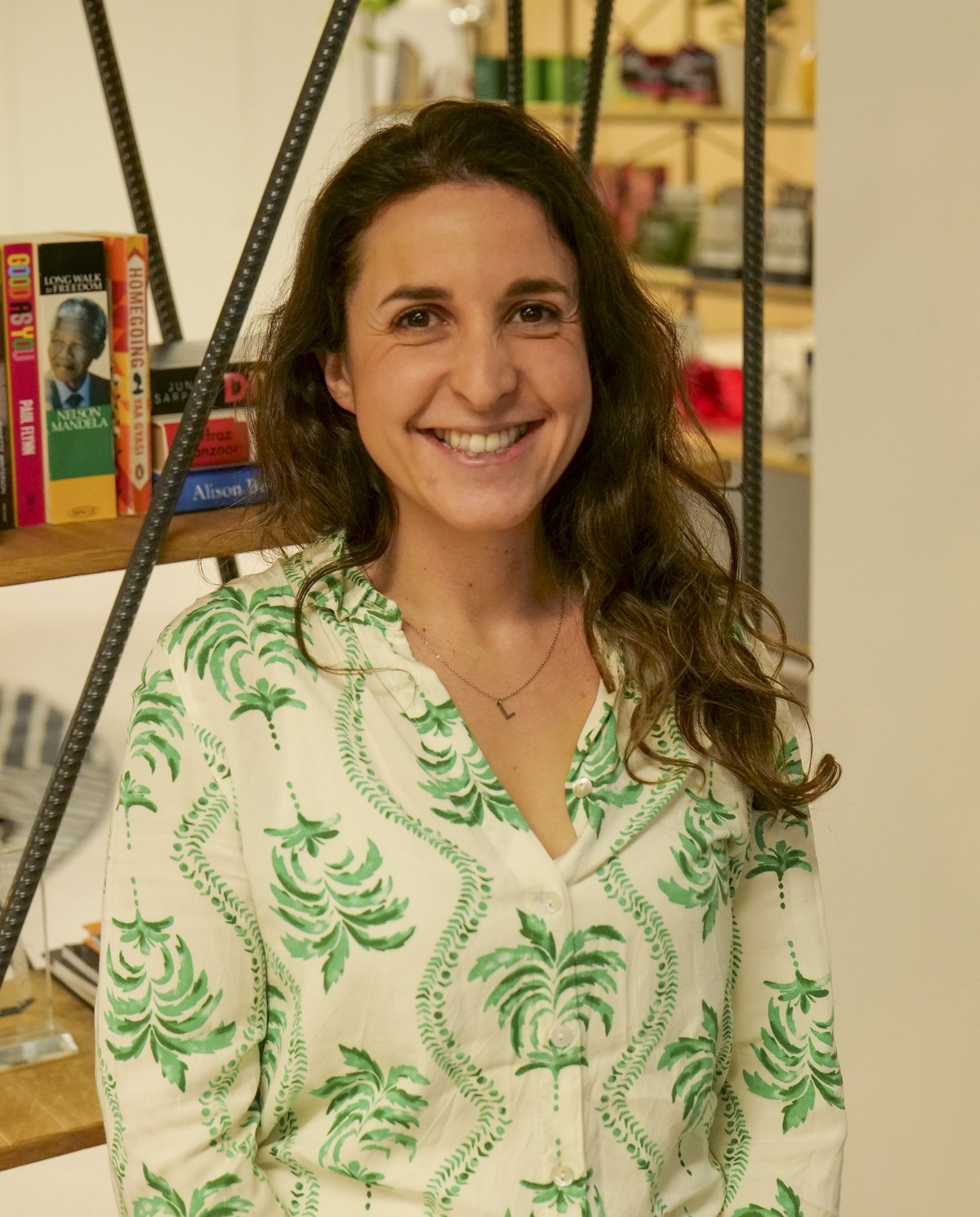
I have spent fifteen years in some of the UK's top advertising and marketing agencies, managing projects for big corporate clients. But the thing I have been most passionate about throughout my career has always been the same: people's stories, and how to tell them well.
I studied psychology early on and later trained in therapy, and that fascination with what makes people who they are led me to train as a Samaritans listener. I spent years as a voluntary befriender to elderly men and women, many of whose stories have stayed with me ever since.
Questions, guides and practical help
Plenty of families do this themselves, and they should. If you try it and would rather hand it over, you will know where she is.
Start a conversation
Tell Amanda a little about who the story is for. There is no obligation, no pressure, and no salesperson at the end of it. Only her.
If time is short, message Amanda on WhatsApp. She will reply as soon as she can.
Design concept, not the live site